
How We Built the Neo-Gothic 3D Asset Pack
Neo-Gothic architecture has always carried a unique presence in film, games, and cinematic worldbuilding. Towering spires, weathered stone, dramatic silhouettes, and intricate ornamentation create environments that feel timeless, mysterious, and monumental. When we started developing our Neo-Gothic environment pack, the goal was clear: create a cinematic Gothic cityscape inspired by the atmosphere of Gotham-style worlds while fully respecting intellectual property and building an original architectural identity from the ground up.

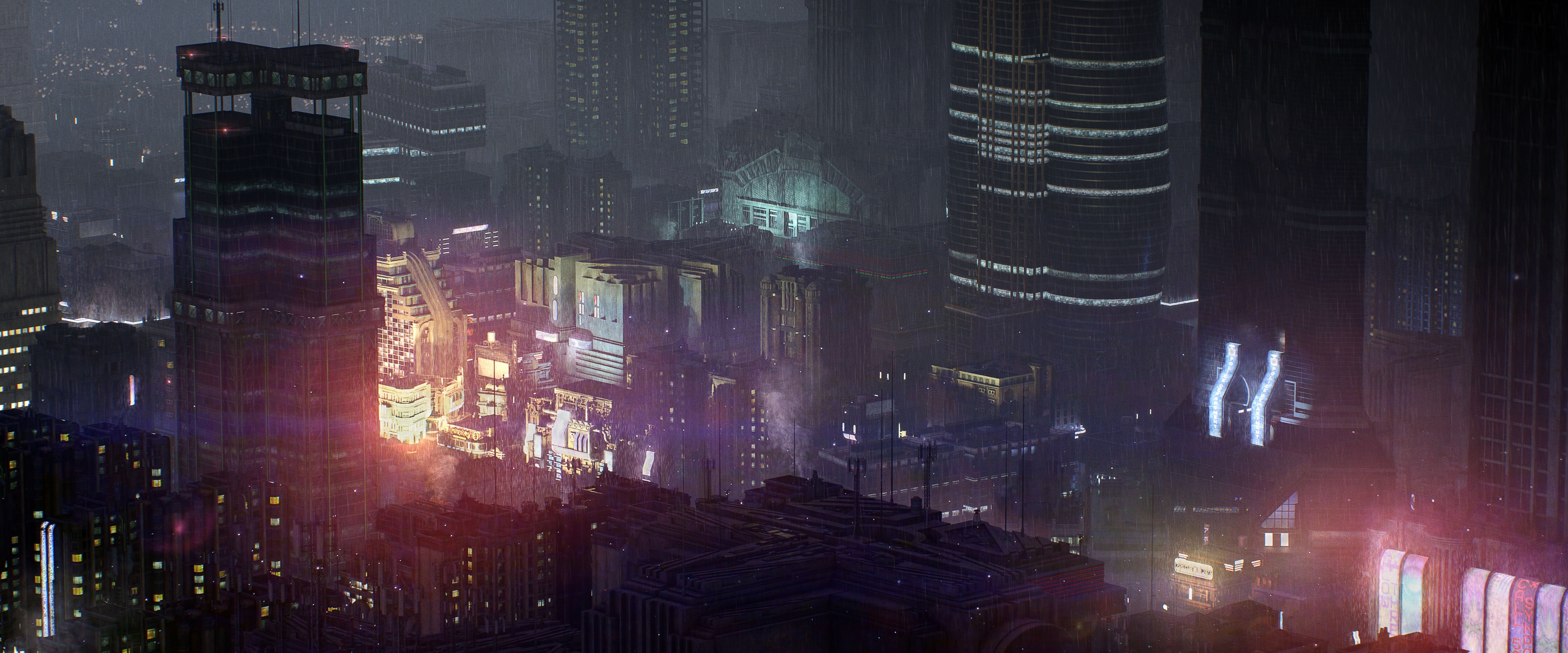
The Batman movie reference
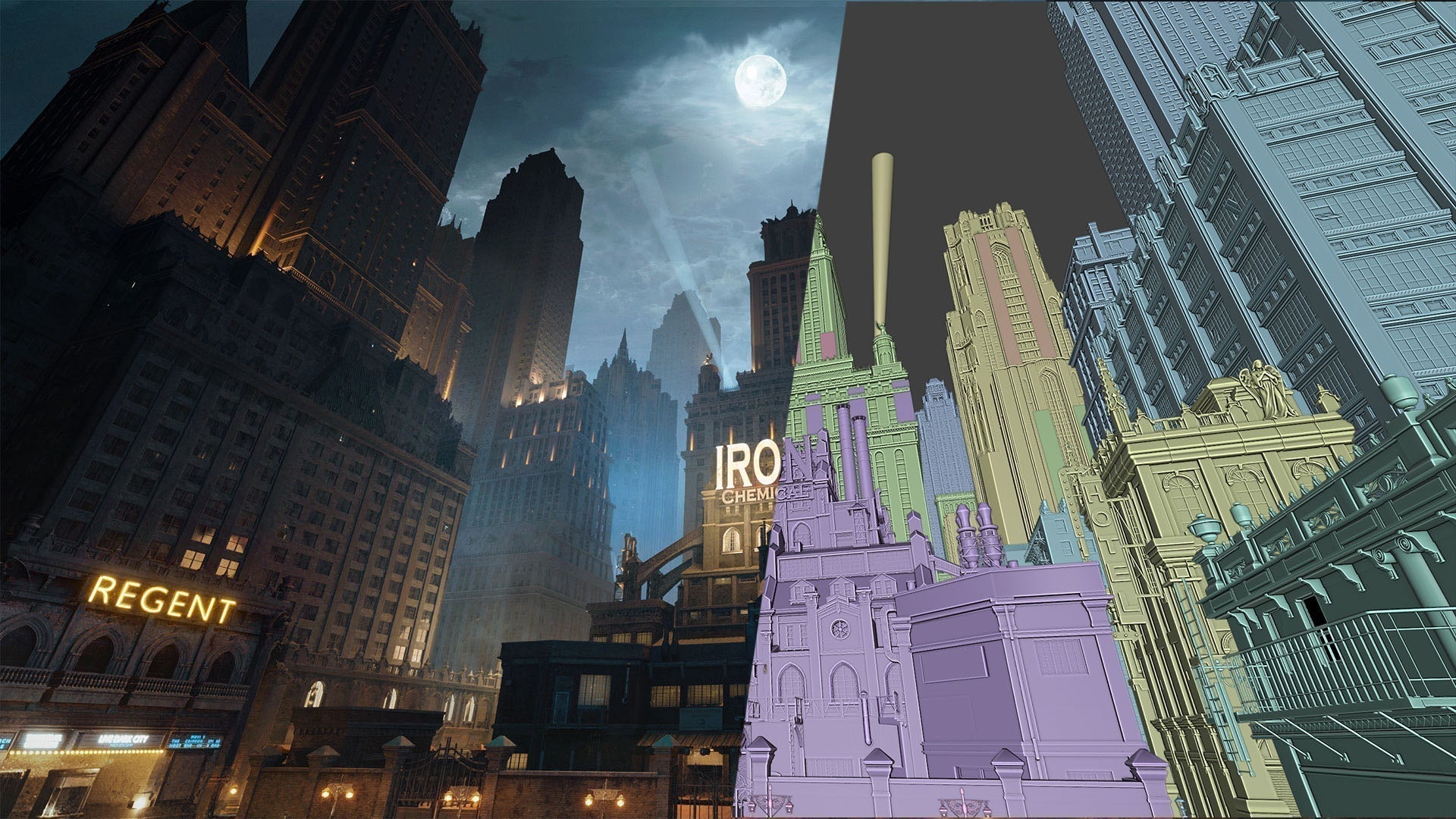
This environment pack includes 5 massive hero buildings and 9 smaller supporting structures, alongside a large library of modular props and architectural elements. From decorative spires, finials, gargoyles, and bats decorating rooftops to intricate benches, light poles, signage, and street-level assets, every piece was designed to help artists create dense, atmospheric city scenes for film, games, Unreal Engine projects, Blender environments, and cinematic renders.

Designing an Original Neo-Gothic World
The design phase was a collaborative effort between Guillem Rovira and Ahmed Khan. From the beginning, we wanted to capture the dramatic Neo-Gothic and Gothic Revival essence commonly associated with dark cinematic cities while ensuring every building remained original and legally distinct.

We leaned heavily into real-world Neo-Gothic architecture references, studying iconic landmarks known for their monumental verticality and ornate detailing. Some inspirations included the Tribune Tower and the Cathedral of Learning, alongside various ecclesiastical architecture references, collegiate Gothic buildings, historic government structures, and North American cityscapes.

Rather than directly recreating real buildings, we modified proportions, silhouettes, facade language, and decorative systems to better fit the cohesion of our own world. This approach allowed us to preserve the emotional feel and Gothic style of Neo-Gothic architecture while creating a completely original environment pack suitable for commercial productions.
Throughout the concept phase, we focused on core Gothic architectural elements such as:
- Pointed arches
- Ribbed vault-inspired structures
- Flying buttresses
- Ornate tracery
- Lancet windows
- Rose windows
- Decorative finials
- Pinnacles and spires
- Gargoyle-inspired ornaments
- Weathered stone and aged patina materials
The objective was to create buildings that felt historic, grand, atmospheric, and cinematic from every angle.

Modelling Complex Gothic Architecture
The modelling stage quickly became the biggest technical challenge of the project.
Smaller buildings were relatively straightforward to develop, but the larger structures introduced significant complexity. Neo-Gothic architecture naturally relies on intricate geometry, layered ornamentation, and highly detailed silhouettes. Every spire, arch, buttress, and decorative trim added to the overall polygon count.
Managing polycount became a major focus throughout production.

Even though this is not strictly a hero asset pack, we intentionally pushed the level of detail much further than typical modular environment kits. We wanted the assets to hold up in close-up cinematic shots while still remaining practical for large-scale environments inside game engines and DCC software.
A large portion of the production process involved optimizing geometry, reducing unnecessary density, and carefully balancing visual fidelity with performance. Many of the larger buildings required multiple optimization passes to preserve the complex Gothic forms without allowing the scene complexity to spiral out of control.
AI Modelling Attempts
In all honesty, we did try to use AI 3d modeling workflows to generate some of the sculpted and intricate props but we couldn't use any of the results and ended up 3d modeling all of them by hand.
The main issues we found is that the details are completely nonsense, wrong topology and shattered UVs.

Texturing Workflow
For texturing, we stayed with a classic workflow that consistently delivers reliable results across productions.
Most of the environment was built using:
- Trim sheets
- Tileable materials
- Decals
- PBR textures
This workflow allowed us to maintain visual cohesion across the entire Gothic cityscape while keeping memory usage manageable. It also made iteration significantly faster during development.

The material palette focused heavily on weathered stone, limestone facades, brick masonry, dark metals, stained glass, and aged surface variation to reinforce the moody and atmospheric tone of the pack.
Because the architecture contains a huge amount of repeating detail, trim sheets became especially important for efficiently texturing Gothic ornamentation without requiring excessively large texture sets.
Keeping Lookdev Simple and Flexible
One of the biggest priorities during look development was compatibility.
Many artists work across multiple software packages including Blender, Unreal Engine, Houdini, Autodesk Maya, Autodesk 3ds Max, and Cinema 4D. Because of that, we intentionally kept the shader setup as simple and robust as possible.

Instead of relying on overly complex proprietary shader systems, we focused on clean, production-proven materials that translate reliably across different render engines and pipelines. This makes the assets easier to integrate into existing workflows without technical friction.
Our goal was not only to create AAA-quality Neo-Gothic assets, but also to make them practical and flexible for real production environments.
Building a Cinematic Gothic Environment Pack

This project was ultimately about atmosphere.
We wanted artists to instantly feel the mood of a dark Neo-Gothic metropolis — monumental towers disappearing into fog, dramatic silhouettes against the skyline, weathered stone catching cinematic lighting, and layered architectural detail that rewards close inspection.
Whether the pack is used for fantasy architecture, cinematic renders, dark city environments, game worlds, or concept art, the focus has always been on giving artists a dense and highly customizable Gothic environment with enough modularity to create unique cityscapes.
The Neo-Gothic 3D Asset Pack combines cinematic detail, modular flexibility, optimized production workflows, and original architectural design into a single cohesive environment built for modern content creation pipelines.




Share: